Spanish
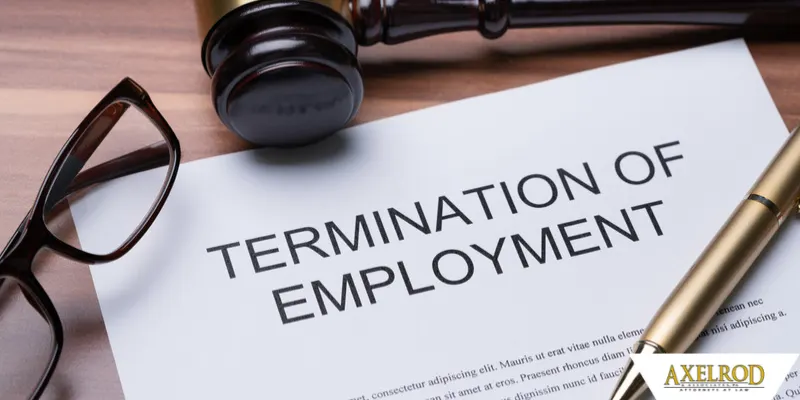

Proving wrongful termination in South Carolina starts with one question: was the real reason illegal, not just unfair. South Carolina lets employers fire someone for almost any reason, or no reason at all, and that catches a lot of people off guard. But discrimination, retaliation, a broken promise in a handbook, or being punished for refusing to break the law are the exceptions that stay open even in an at-will state.
If you’re not sure which one applies to your situation, that’s exactly what the attorneys at Axelrod & Associates, P.A. sort out for workers across the Grand Strand every week.
What At-Will Employment Actually Means Here
At-will means either side can end the job at any time, for almost any reason, without warning. Most South Carolina workers operate under this rule by default, and it’s why so many firings that feel wrong turn out to be legal. The word that matters is almost.
An employer can’t fire you because of your race, sex, age, disability, or religion, and can’t fire you for reporting harassment, filing a workers’ compensation claim in Horry County, or refusing to falsify a record. Those specific carve-outs are where a real case lives.
When a Firing Crosses Into Discrimination
Under South Carolina Human Affairs Law, Title VII of the Civil Rights Act of 1964, and the Age Discrimination in Employment Act, an employer can’t base a firing on:
- Race, color, national origin, or religion
- Sex, including pregnancy or a related medical condition
- Age 40 or older (this protection applies once an employer has 20 or more employees)
- A qualifying disability (15 or more employees)
The evidence that usually matters isn’t a smoking-gun email admitting bias. It’s a pattern: a younger, less qualified coworker kept on, a sudden bad review right after you disclosed a diagnosis, timing that doesn’t add up.
Retaliation: Getting Fired for Speaking Up
Retaliation claims often move faster than discrimination claims because the timeline tells the story on its own. You complained to HR about harassment, filed a workers’ compensation claim after a warehouse injury in Myrtle Beach, or reported a safety violation, and within days or weeks you were suddenly written up for something that was never a problem before. That sequence, complaint then punishment, is the heart of a retaliation case, and South Carolina’s workers’ compensation law specifically protects employees from being fired for filing a claim. Employees who believe they were terminated in retaliation can learn more about their rights when fired for filing a workers’ compensation claim
The Public Policy Exception, and the Gap Nobody Mentions
South Carolina courts recognize a narrow exception when an employer fires someone for refusing to break the law, or fires them because they did break it. Beyond that, courts have been reluctant to stretch the doctrine further.
Here’s the gap many articles skip past: a firing can feel wrong without being wrong under the law. The difference isn’t how unjust it felt. It’s whether you can point to a specific protected reason, a contract term, or a clear public policy the employer violated. That distinction decides whether a claim moves forward or stalls at the first conversation with an attorney.
The Evidence That Actually Moves a Case Forward
Build your file before memory fades. Useful documentation includes:
- Performance reviews and prior write-ups, especially anything inconsistent with your firing
- Emails, texts, or messages tied to your complaint or the protected activity
- The employee handbook, especially any progressive discipline policy your employer skipped
A wrongful termination attorney at Axelrod & Associates can look at that file, tell you honestly whether it supports a claim, and walk you through a free consultation before you decide anything.
FAQ’s About Proving Wrongful Termination in South Carolina
How long do I have to file a discrimination charge in South Carolina?
You’ll generally have up to 300 days from the discriminatory act to file with the EEOC or the South Carolina Human Affairs Commission. Miss that window and the claim is usually barred no matter how strong it is. Talk to someone as soon as you suspect a problem, not after you’ve waited to see how things play out.
Can my employer fire me while I’m out on medical leave?
Not if the leave is protected and the firing is really about the leave itself. The Family and Medical Leave Act shields qualifying medical leave, but only if you’ve worked for your employer at least 12 months, logged at least 1,250 hours in the past year, and your employer has 50 or more employees within 75 miles. If you meet those rules, an employer that times a termination to your leave often ends up creating its own evidence.
I signed an at-will agreement when I was hired. Does that block a claim?
No, an at-will agreement confirms the default rule, it doesn’t waive your rights under discrimination or retaliation law. Those protections exist regardless of what the offer letter says. The agreement mostly just means you’ll need a specific legal exception, not a contract claim.
What can I actually recover in a wrongful termination case?
Lost wages and benefits are the starting point, and depending on the claim you may also recover emotional distress damages or, in some cases, punitive damages. The exact number depends heavily on how long it takes to find comparable work. An attorney can walk you through realistic ranges once they’ve seen your file.
I already accepted a severance package. Can I still pursue a claim?
It depends on what you signed. Some severance agreements include a release of claims, but not all releases are valid, and some don’t cover every type of claim. Have the document reviewed before you assume the door is closed.
Axelrod & Associates, P.A.: Your South Carolina Wrongful Termination Law Firm
You came here because something about your firing didn’t add up, and that question deserves a straight answer, not a guess. We’ve spent years untangling the difference between a firing that stings and one that broke the law, and it almost always comes down to timing, documentation, and knowing which exception fits.
If your gut is telling you this wasn’t right, let’s find out together. Contact our firm today for a free consultation, and bring whatever documentation you have.